
Hyundai Grand i10 GNCAP: The Hyundai Grand i10 scored 0 out of 34 points in the adult occupant safety category, earning it a zero-star rating. During the crash test, the driver’s chest protection was found to be ‘poor’, while the passenger’s chest protection was ‘adequate’.
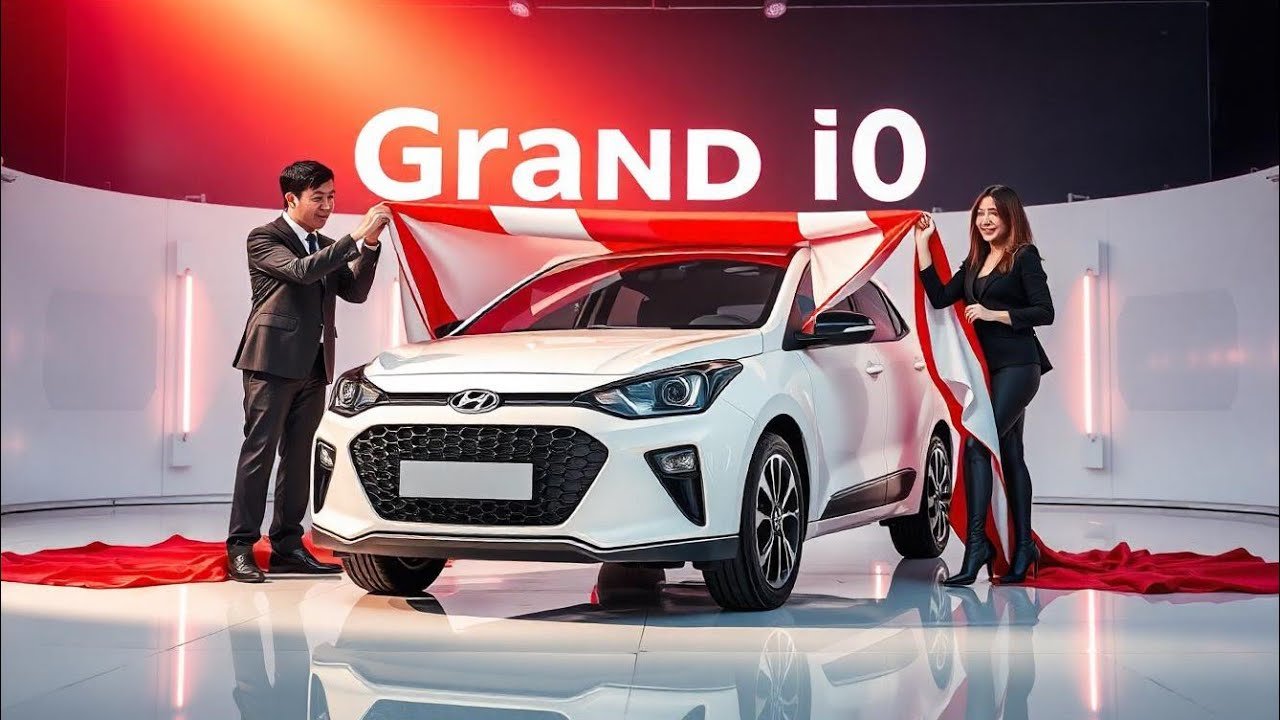
Hyundai Grand i10: Recently, the India-made Hyundai Grand i10 hatchback was crash tested by Global NCAP (New Car Assessment Program), with surprising results. This safety test was conducted on a model specifically designed for the South African market. The car received a disappointing zero-star rating in the adult occupant protection category, while it performed comparatively better in child occupant protection, earning a three-star rating.
Table of Contents
Reasons for Zero Rating in Adult Safety
The Hyundai Grand i10 scored 0 out of 34 points in the adult safety category, earning it a zero-star rating. During the crash test, the driver’s chest protection was found to be ‘weak’, while the passenger’s chest protection was ‘adequate’. Most concerning was that the knee protection of both passengers was ‘marginal’ due to an unstable structure behind the dashboard, increasing the risk of injury. However, head and neck protection for both front seat passengers was rated ‘Good’.
Three-Star Performance in Child Safety
Unlike adult safety, the Grand i10 received a three-star rating in the child occupant protection category, scoring 28.28 points out of 49. This excellent performance is attributed to the rear-facing child seats used for children between 18 months and 3 years old. No child head exposure was observed during the frontal and side impact tests, a positive result in this category.
Reasons for the Decreased Safety Rating
The zero-star rating in adult safety was due to several safety equipment deficiencies. Significantly, the car lacked 3-point seatbelts for all seats. Furthermore, it lacked an airbag deactivation switch and lacked a proper system for securing a baby seat in the rear center seat. Side head protection was not standard, and limited standard safety equipment (including only a driver seatbelt reminder) severely impacted the car’s adult safety score.
Possible Results for the Indian Version
It’s important to note that this crash test was conducted on a model manufactured for South Africa. The Grand i10 version sold in India may often include more safety features or have different specifications. Therefore, crash test results for the Grand i10 for the Indian market may differ from those for the South African model.
Market Impact: Buyer Concerns Increase
This zero-star rating will also impact the Indian market. Grand i10 sales have already declined by 10%, and this could decline further due to increased safety awareness. Consumers are now monitoring tests like the BSP (Indian Small Car Assessment Program). Hyundai will need to launch campaigns to improve its image, highlighting that the Africa-specific test differs from the Indian version.
Experts believe that safety is a priority in the entry-level segment. India witnesses 150,000 road accidents every year, with small cars being the most affected. If brands like Hyundai invest in safety, the industry will be able to improve. Competing brands like Tata have captured the market by securing five-star ratings for their cars. Now is the time for a recall or upgrade for the Grand i10.
Conclusion: Safety First, Style Next
The Hyundai Grand i10’s 2025 GNCAP test is a lesson that even affordable cars should have strong safety features. A zero-star rating is disappointing, but it’s also an opportunity for improvement. Hyundai should immediately strengthen the structure, increase airbags, and improve child safety. Consumers are urged to check safety ratings before purchasing. After all, a car isn’t just a ride, it’s also a family’s safety device.
Also Read – Kawasaki Ninja 500 launched: A true Ninja roaring on the streets, a storm of power and style
Also Read – Honda Civic Type-R is creating a stir on the roads of India, the heart becomes restless at first sight!